Psalm 85 is the appointed Psalm for the week in the Christian Church. Yes. It’s July, but Psalm 85 points to Bethlehem’s Manger and the Christ Child.
Christmas & Land?
Psalm 85:1-3
1 LORD, you were favorable to your land;
you restored the fortunes of Jacob.
2 You forgave the iniquity of your people;
you covered all their sin. Selah
3 You withdrew all your wrath;
you turned from your hot anger.
The Thanksgiving dinner is finished. The guests have gone home. Family members from out of town remain to help consume the remainder of the turkey. Ohhhh! There’re are thousands of turkey recipes just for this time of the year.
The next week, Thanksgiving gives way to Christmas. What are some of the first things you think about as the Christmas seaon approaches: getting the rest of the decorations up, where will you get the tree, who’s on my gift-giving list that I haven’t shopped for, what are the Black Friday and Cyber Monday deals? There’s so much to think about as we get ready for Christmas.
And of course, the very first think everyone thinks about is—LAND. “What??!! That came out of left field Pastor. What does land have to do with Christmas?” Well, I’m glad you asked.
In Psalm 85:1 the psalmist bases his prayer on God’s promises and His faithfulness. Note he begins with you were favorable to your land. Land theology is important in the Bible, but it’s not something we consider or really think about at all, especially during Christmas.
Humanity is intricately linked to the land. In Creation God created water and land. He created the ground. From the ground God created Adam, and from Adam God created Eve. Rev. Dr. Reed Lessing, a Lutheran Old Testament theologian and scholar, has written a wonderful excursus (article) on land theology and it’s importance to the Christian. This excursus can be found in Lessing’s commentary on Amos from Concordia Publishing House. Lessing writes this:
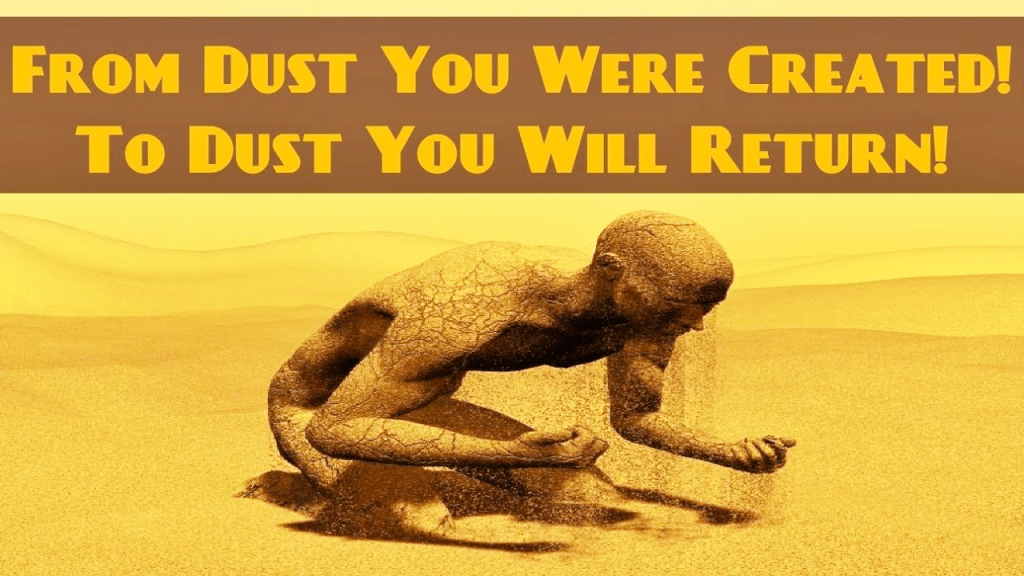
The Hebrew “Adam, mankind” (אָדָם) comes from the noun for “ground” (אֲדָמָה). The two are linked to each other in life, in death, and at the resurrection. After death the body decomposes into the dust of the earth until the bodily resurrection when “the earth will give birth to the dead” (Is 26:19; cf. Rev 20:13) and those “sleeping in the dusty ground” shall awake and be physically raised—believers to everlasting life and unbelievers to everlasting contempt (Dan 12:2–3).
The tragic result of Adam and Eve’s sin was that the ground brought forth thorns and thistles (Gen 3:17–18). Death came to our first parents and through them to all humanity. Death also came to animals and plants—all living creatures. As a result of rampant sin, the world was inundated by a flood (Genesis 6–8) that killed most of humanity and most of its animals. Sodom and Gomorrah became an ecological disaster because of human wickedness and the sexual perversion of homosexuality (Gen 13:10–13; 19:24–28). The plagues were disruptions in the created order that God caused in Egypt as part of his plan to save his people from slavery under Pharaoh and the gods of Egypt (Exodus 7–11) so that he could lead his redeemed people into the promised land. Prophets repeatedly link human sin with cosmic destruction (e.g., Jer 4:22–26; Hos 4:1–3) and also promise the new heavens and new earth that is the inheritance of all God’s faithful servants (Isaiah 11; 65–66).[1]
The Christian awaits the time when the heavens (stars, universe, plants, etc.) and earth will be renewed. We wait for the time when the wolf shall dwell with the lamb, the leopard shall lie down with the young goat, and the cow and the bear will graze together (Isaiah 11). This will take place on land. In Isaiah 35 we also hear that there will be a reverse of the curse upon the land: the wilderness and dry land will rejoice, the desert will blossom abundantly, waters will break forth in the wilderness and streams in the desert, and so forth. The land is really important to God because He made it, and it belongs to Him.
The first Adam blew it. What’s needed is another Adam, the second Adam, another One from the earth, but without sin. That One is the Christ child (Romans 5:14; 1Corinthians 15:22, 45).
God incorporates you into the second Adam, the last Adam, Jesus. In Christ, God makes you a part of His new creation. This is something to ponder, but don’t wait until Christmas to do it!
[1] R. Reed Lessing, Amos, Concordia Commentary (St. Louis: Concordia Publishing House, 2009), 74.
 A Redeker Respite